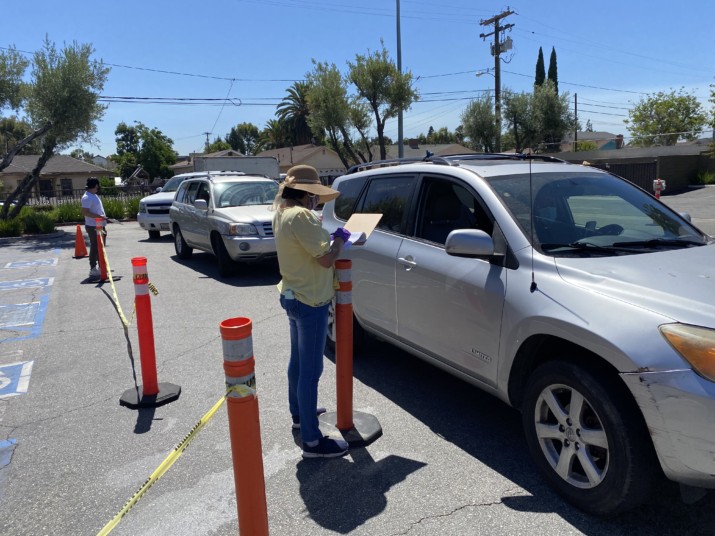
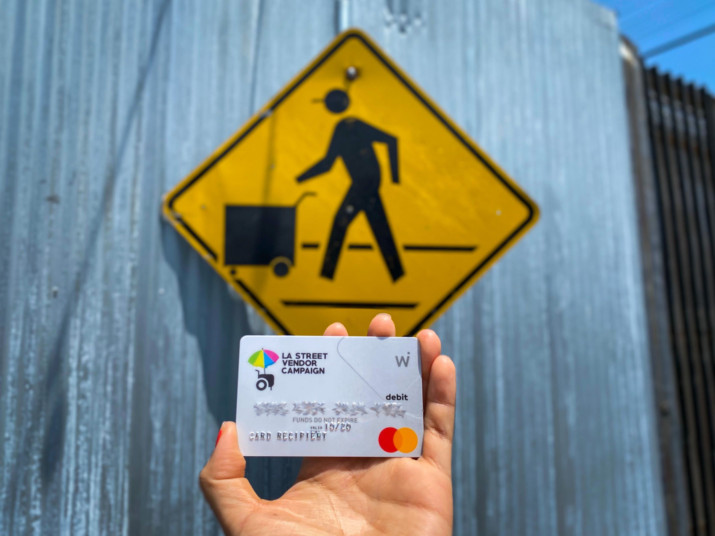
Los Angeles, CA. During the beginning months of the pandemic, Inclusive Action for the City has helped to provide immediate cash relief for small businesses and street vendors who were not eligible for government financial support. One hundred and twenty street vendors impacted by COVID-19 received $400 cash cards in early June through the Street Vendor Emergency Fund (see above).
For several decades, tens of thousands of street vendors have served the residents and tourists of Los Angeles despite the fact it was a criminalized practice in the city. It wasn’t until 2008 when they came together to legalize street vending with the help of the organizations that specialized in community development like East LA Community Corporation (ELACC).
Cash Cards for Street Vendors were much appreciated.
As street vendors started working with nonprofits, the Legalize Street Vending Campaign: Leadership for Urban Renewal Network (LURN) was created and focused on advocating for low-income communities, primarily concentrated with small businesses.
It wasn’t until a decade later that the long-term efforts of LURN and other committed communities paid off. Street vending became legal in November 2018, and low-income entrepreneurs were able to take control of their businesses and take care of their families without risking their livelihood.
“Inclusive Action is a lender, we provide small business loans to entrepreneurs,” said Inclusive Action’s executive director Rudy Espinoza, “many of our clients are street vendors, and they were coming in already anticipating that they were not going to be able to make their payments.”
Street vendors are not generally eligible for small business relief funds or other forms of government-sponsored financial support. Espinoza and his team were aware of this and heavily discussed in mid-March whether or not they should provide loans to those who were struggling with the quarantine. However, Inclusive Action decided against this action.
“We should not be doing loans to people right now that are struggling, but we need to get people cash,” Espinoza declared.
It was decided that the best way to help street vendors immediately was to distribute $400 cash cards (seen above) that could be withdrawn and used however the individual chooses. The decision allowed for the creation of the Street Vendor Emergency Fund with the collaboration of ELACC and Public Counsel.
1,032 street vendors were given immediate relief with the fund over the summer but Espinoza believes its “a drop in the bucket” to the much larger systemic issue of street vendors not being eligible for government benefits and having to rely on nonprofit organizations for relief during the pandemic.
“There should be more systems to protect vendors and take care of them during pandemics,” Espinoza said, “and the fact of the matter is that many of them have been struggling for a long time.”
There is hope for vendors to receive more immediate relief and support by the city as the Sidewalk Vending Pilot Program was recently passed by the LA County Board of Supervisors which will invest $1 million in assisting vendors with health-compliant equipment, education outreach, and other needs that will allow street vendors to safely sell in unincorporated areas of Los Angeles.
If you have the means to donate to Inclusive City for the City to continue working to help street vendors, click here.
From Inclusive Action for the City:
Inclusive Action addresses the root causes of poverty by merging good urban policy with sound economic development initiatives that reduce barriers, increase opportunity, strengthen local economies, and empower low-income residents and entrepreneurs across Los Angeles.
Our programs and initiatives seek to uplift those who face the most obstacles to social and economic opportunity. Inclusive Action empowers communities by prototyping innovative, scalable solutions that seek systems change, generating models that can be replicated and applied to all types of urban environments.
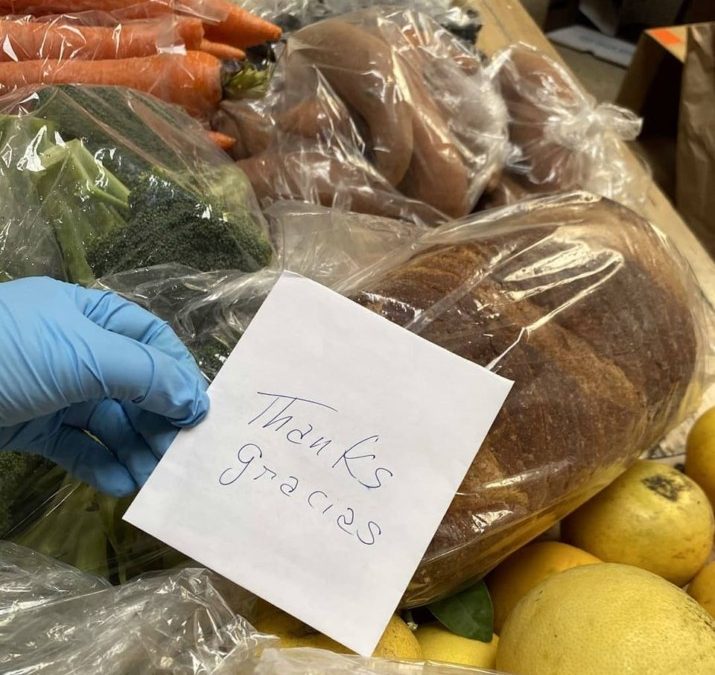
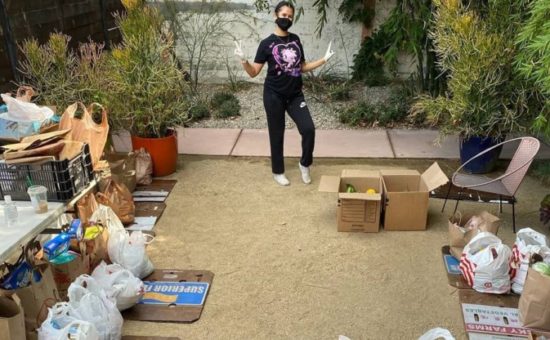
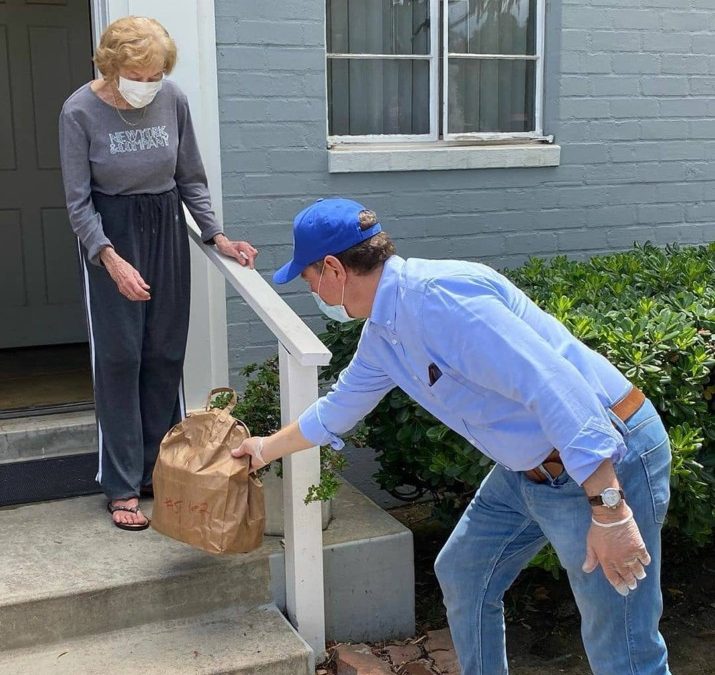
Los Angeles, CA. LA Más consists of a small team that made a huge impact with the neighborhood of Northeast LA (NELA) through a food support program (seen above), partnerships with other organizations, and continuous communication with residents.
The non-profit is organized by a group of seven people who prioritize promoting projects that help to elevate working-class communities and people of color since its foundation in 2012.
Program Manager Alexandra Ramirez explained that “before COVID-19, we had two major programs” that the team primarily focused on. The Backyard Homes Project allowed homeowners to construct an Accessory Dwelling Unit (ADU) in exchange for providing affordable housing to a Section 8 voucher, and Storefronts, LA which focused on “developing storefronts redesigned for small business owners.”
The ADU project and Storefronts, LA regularly had in-person meetings with multiple people, which could not continue as phase one of quarantine began in mid-March. “We were in the midst of doing about three or four designs,” said Ramirez, “so that had to stop.”
For the next two weeks, Ramirez and her team started checking in and getting advice from local non-profits about how to best serve the community during the shutdown. It was in these conversations that LA Más and its local partners started to note “this informal phone tree that was happening” between residents of NELA checking in with their neighbors about how they could help during the pandemic.
“And that’s when we started realizing that we could do more of those check-ins,” said Ramirez, “we didn’t know how much more we could do so we really needed to rely on our volunteers.” (seen below)
An Excel spreadsheet was created by the LA Más team and was made up of the contact information of about two thousand residents. They began contacting people on their spreadsheet in order to best understand their current needs.
“We knew that we couldn’t be the only ones making these calls and checking in with residents and that’s when we opened it up to our volunteers,” Ramirez said, “and we started training them to make calls and, yeah, we went on from there.”
After about a week of over 150 volunteers talking to residents, LA Más found that the highest needs were primarily with food and information on financial and social issues that arose during the pandemic.
Grocery sponsorship allows struggling families to be able to eat fresh food through deliveries made by LA Más volunteers. Photo credit: LA Más Outreach Lead Liliana Sánchez
In mid-April, the Northeast LA Community Response was announced on LA Más’s social media pages as an initiative to help community members gain immediate relief. Requests could range from deliveries of activity kits and face masks to information on unemployment filings and mortgage payments.
“We kept seeing how food insecurity really was so present in our community, so we have been running offshoots of that program [NE LA Community Response] ever since,” Ramirez explained.
For the rest of the summer, LA Más operated a temporary food support program, where volunteers delivered donated and sponsored grocery bags for families in need on a weekly basis.
When discussing what Ramirez hopes for in the future when the coronavirus may not be as much of a centralized issue, she said, “We really need to address the systemic issues that are impacting working-class communities of color in our neighborhood.” She continues to explain immigrant families in particular “had a really hard time getting the support they needed.”
“Really, our goal is to continue to work in addressing those underlying issues, and figuring out how do we support our community and make these issues more visible,” Ramirez concluded.
LA Más is currently focused on reinventing its mission statement and posted a week ago that:
“For the rest of 2020, we are doing ‘fieldwork’ around the priorities that community members helped us identify: housing stability, economic development and food access, to name a few. We’ll be partnering with neighbors to identify what local solutions already exist and explore where new infrastructure could be helpful.”
If you have the means to donate to LA Más to continue giving to the community or are interested in becoming a volunteer, click here.
Photo credit for the first image: Russell Horning
From LA-Más:
LA-Más designs and builds initiatives that promote neighborhood resilience and elevate the agency of working class communities of color. We envision a Northeast Los Angeles where communities of color have equitable access to the power and resources needed to shape their futures.
Los Angeles, CA. The WriteGirl mentoring program has taken to zoom this summer and seen some unexpected benefits. Every year, the LA-based nonprofit matches over 500 girls with mentors; it also provides workshops and college guidance. WriteGirl has managed to keep its participation numbers high during the pandemic as girls who had transportation issues found it easier to be online. The organization boasts a thriving volunteer community with over 200 volunteers working as mentors, college counselors, and volunteers in the nonprofit’s program helping young women who are incarcerated.
WriteGirl Poetry Workshop at Otis College during pre-covid days.
Ever since the shift to Zoom in March, WriteGirl has faced new challenges and introduced innovative tools and activities. Program coordinators lament the fact that not all of their students are staying connected. Keren Taylor, the executive director of WriteGirl, explains, “We don’t know the reason, is it the tech divide or family? Sometimes our young people don’t come forward to tell us what is going on because of stress or family conditions.”
Taylor noted that volunteers are equipped with new online tools to engage students and to be more empathic. “We work with many students of color, who are struggling with the protests.” She explains that “the strangeness of our governmental response” has put a strain on students of color. “Add that to a mix and you really have a volatile situation for those girls, this is why we added self-care tools like exercise, going to bed early, and eating properly.”
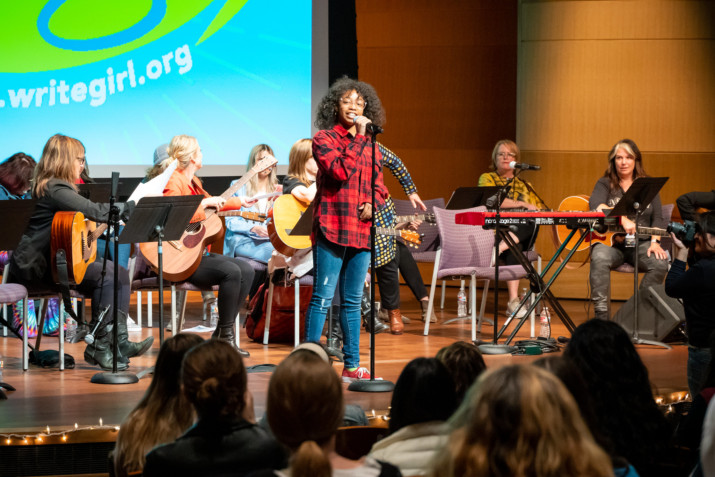
A previous WriteGirl Songwriting Workshop
WriteGirl was launched in December 2001 to bring the skills and energy of professional women writers to teenage girls who do not otherwise have access to creative writing or mentoring programs.
WriteGirl is facing unforeseen expenses from tools such as Zoom and other needed software. On top of that, Taylor anticipates seeing the impact of COVID-19 on their fundraising programs over the next three to four months. “We expect it to be a very hard time,” said Taylor.
Another looming challenge to WriteGirl is the changing nature of education. “People used to come away energized from our meetings being part of the culture, society, and nature,” Taylor said. “Looking ahead, we’re facing zoom fatigue because everything is online including friends and school.” Taylor understands that her organization may not be the same but she believes it’s important to focus on their strengths, “our strength is in the depth of our training and the impact of our volunteers.” WriteGirl doesn’t plan to sit idle and is conducting surveys and initiating one on one calls with the participants to see how they’re being affected.
Taylor understands says the COVID-19 pandemic presents more challenges, but the nonprofit must continue giving young women something they can’t get anywhere else. “We might be in a pandemic right now but 10 years from now, those young people we’re training will be the ones saving us,” she added.
From WriteGirl:
Within a community of women writers, WriteGirl promotes creativity and self-expression to empower girls.
WriteGirl is a Los Angeles-based creative writing and mentoring organization that spotlights the power of a girl and her pen. At WriteGirl, we match girls with women writers who mentor them in creative writing. WriteGirl is a thriving community with 200 volunteer women writers serving more than 500 girls annually. Every year, we produce dozens of workshops, panel discussions, and special events to help girls get creative, get through high school, and get to college! In fact, since 2001, 100% of our graduating seniors have entered college, many on full or partial scholarships.
Through one-on-one mentoring and monthly creative writing workshops, girls are given techniques, insights, and hot topics for great writing in all genres from professional women writers. Workshops and mentoring sessions explore poetry, fiction, creative non-fiction, songwriting, journalism, screenwriting, playwriting, persuasive writing, journal writing, editing, and more.
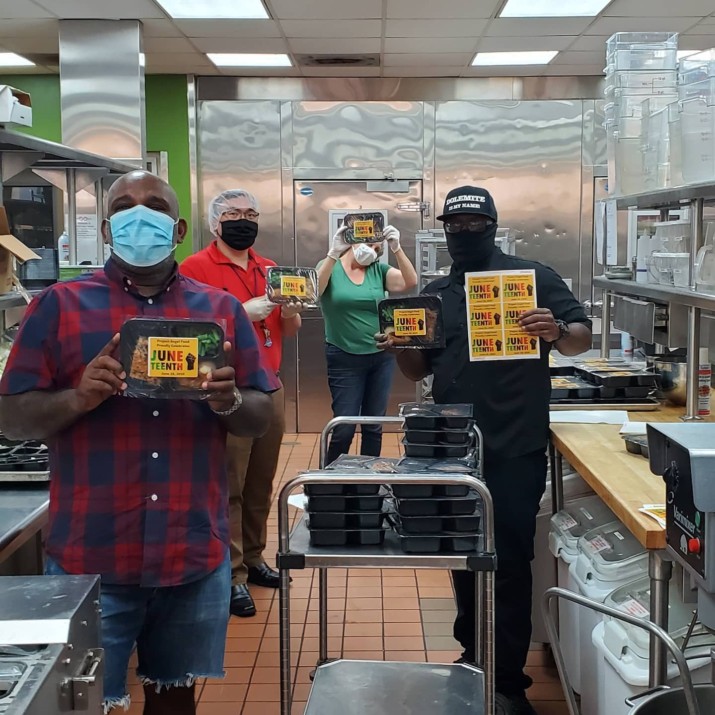
Los Angeles, CA. Facing a global pandemic, Project Angel Food needed to rise to the occasion. Richard Ayoub, the executive director of Project Angel Food explains the COVID-19 “forced rapid growth. We had no time to do it, we just had to do it.” The nonprofit was created in 1989 amidst the HIV pandemic as a small kitchen to deliver meals and fight malnutrition in the HIV/AIDS community. Today, the project boasts an 8000 square feet organization serving many other life-threatening illnesses. It was ready to help alleviate suffering from COVID-19.
Staffers say Project Angel Food targets some of the most vulnerable and isolated communities where 62% of its clients are over the age of sixty and 50% are living alone.
In the kitchen, staffers introduced plexiglass, contact-free deliveries, and over 13,000 facemasks to volunteers and clients. “If you build the project, the money will come and clients will come. Within five months, we had 7000 donations! Twice as many as last year because people care about other human beings.” Ayoub added.
Richard Ayoub stepped away from the entertainment business to lead this project. As he put it, “I received the call. And I answered it.” He believes that his organization was born for this pandemic, as it was created “in response to the AIDS crisis when we started sending love in the form of food. Now we’re in the middle of another pandemic so we’re continuing our mission,” Ayoub said. “Everyone is trying to get back into the office, and I never left my office” he added.
Richard Ayoub, executive director of Project Angel Food.
Every year, Project Angel Food turns its parking lot to a gala fundraiser called Angel Awards. This fundraiser has hosted a number of celebrities such as Elizabeth Taylor and Adam Lambert. Last year, the nonprofit raised a record $900,000, far exceeding its target goal of $700,000. Due to the COVID-19 pandemic, administrators resorted to a telethon on television. When comparing online donations to the telethon Ayoub explained, “If you talk to a human and make the call, you have a story and a connection and you get to tell that story and get that fulfillment in your heart. We forget that the donors have their own stories.” The livestream of the show can be found on KTLA’s Facebook page and Project Angel Food’s website…and it’s still possible to donate by texting LOVE20 to 50155.
As social distancing guidelines strengthen, Project Angel Food started noticing “their clients feeling more isolated and in need of an extra human touch” Ayoub said. Especially “our clients with COVID-19 are the ones who feel ostracized and it reminds us of the people who have AIDS”, he added. In response, Project Angel Food started a new program called Telephone Angeles where volunteers call the clients to check on their medical and mental health. Keeping volunteers and clients both engaged in the process. Ayoub himself is part of the program, “I was on the phone for about 45 minutes with one client,” he said. “He told me about his problems walking and his wife’s Parkinson’s disease, his wife is also a client”.
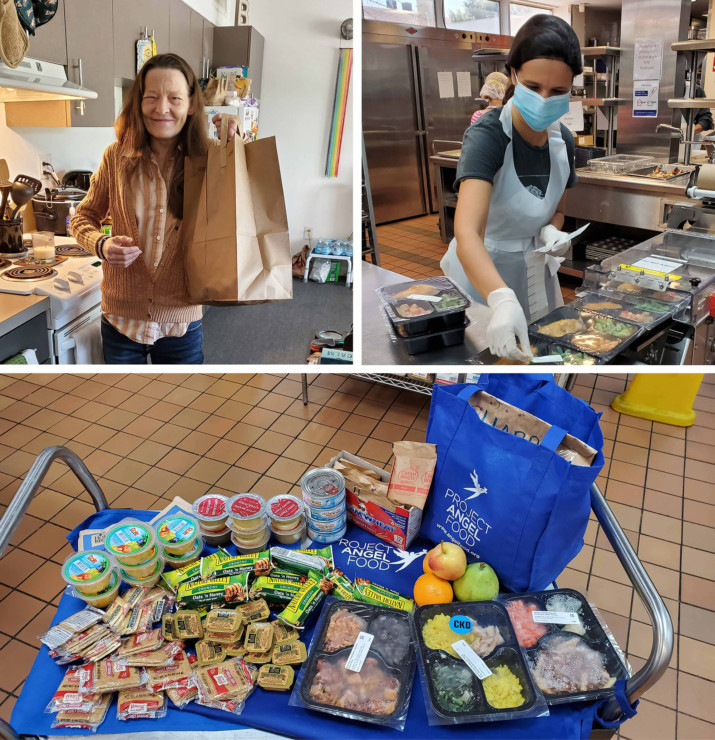
Food tray by Project Angel Food.
With all fundraisers canceled for the year, donations were critical for the 30-year organization to continue serving healthy meals to 2,100+ people a day with critical illnesses who are even more vulnerable because of COVID-19. The clients pay nothing for these medically-tailored meals and Project Angel Food is on track to deliver 1.4 million meals in 2020.
From Project Angel Food:
Project Angel Food is the loving neighbor who knows that food is medicine, food is love, and food nourishes the soul. We believe no one fighting critical illness should go hungry, which is why we personally deliver, with care and compassion, free medically-tailored meals, handmade with healthy ingredients to those in our community who are hungry and alone.
Los Angeles, CA. Philharmonic fans can listen online to their favorite musicians, but due to the continuing COVID-19 crisis, all LA Phil concerts at Walt Disney Concert Hall have been canceled. Dozens of performances from the Opening Night Concert & Gala on September 22nd up until New Year’s Eve with Pink Martini. Philharmonic leaders wrote this about the cancelation: “While this news may not be surprising given the events of the past few months, it is heartbreaking, nonetheless. Sharing in the communal experience of live music is at the heart of what we do, and we know it is a vital part of your life too.”
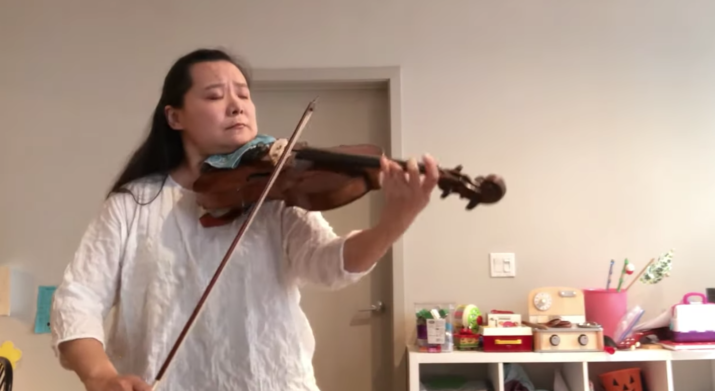
Even though the performances are canceled, the LA Philharmonic is finding a way to connect with supporters. Including
From LA Philharmonic:
Subscribers
As a result of the fall cancellation, we have moved all 2020/21 subscription packages into the 2021/22 season. This will enable subscribers to keep their seats when we return for a full season of music back at Walt Disney Concert Hall. We anticipate sharing the 21/22 season programming with you in March 2021. Subscribers can also choose to donate, create an account credit or refund. Learn more here.
Create Your Own Package
Tickets for impacted concerts in your Create Your Own Package can be donated, returned for credit or refunded.
We are here to answer any questions you may have and guide you through this process. Please contact us by email at information@laphil.org or by phone at 323 850 2000 between 10am and 6pm Monday through Friday. Due to heavy phone volume and reduced staff, we encourage you to contact us by email to avoid experiencing longer than normal wait times.
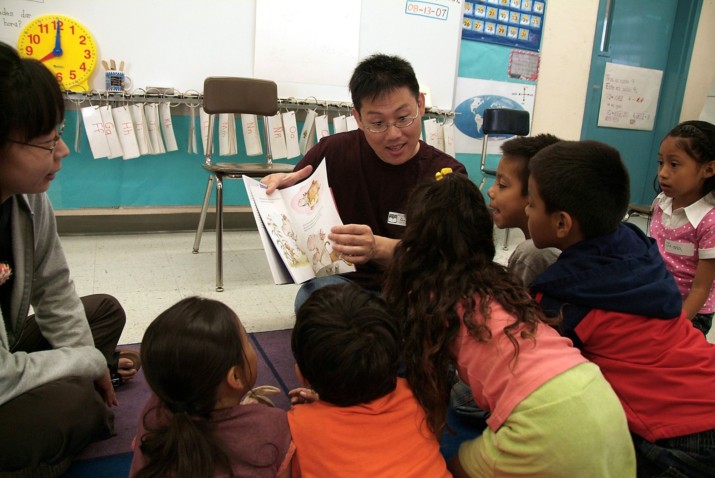
Los Angeles, CA. Reading to Kids is a grassroots organization based in Los Angeles that pairs underserved children with volunteers in monthly reading clubs to promote a love of reading and success for their futures. Reading in person like the photo above was common before the pandemic. Reading to Kids primarily serves children from Title 1 schools where up to 95% qualify for free lunches. Their mission to spread the love of reading to children was briefly interrupted by COVID-19, however, the organization has found it’s online footing through Zoom.
Charlie Orchard, the managing director of Reading to Kids, is one of two employees serving eight schools and managing hundreds of volunteers. He believes that they overcame their initial challenge of delivering online reading clubs, the remaining challenge “is not unique to our nonprofit”, Orchard said. “The challenge we have now is maintaining enough funding so we can continue our reading clubs. Fundraisers may not have enough money because of the economy. In March and April, I wasn’t sure what I could tell my funders but now I have a story to tell my funders that Zoom reading clubs work!” he said.
That story is one of success as the number of students participating from July 2019 to July 2020 reading club has dropped by merely seven people from 235 to 228 students as reported by Orchard. The organization runs its fundraising projects from October to December every year. Orchard anticipates that fundraising may be harder this year due to the current COVID-19 induced economic recession. On the bright side he notes, “We might find new funders because they will look at who can still provide services to kids.”
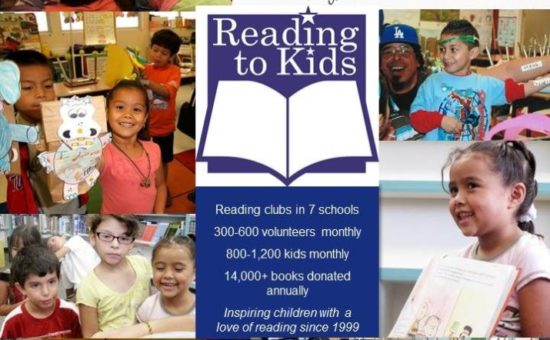
Reading to Kids brochure
Since the non-profit’s shift to Zoom in May, they’ve limited the number of volunteers to people who’ve volunteered before. Because they wanted their volunteers to be screened personally and not have to train new volunteers in the time being. They’ve temporarily stopped parental training due to concerns over having enough devices in their homes. Orchard thinks that “20% to 30% of students” won’t be able to join Zoom reading clubs due to the lack of an internet connection.
When asked about the most important trait of his organization, Orchard replied “They should know that adaptability is important for everybody and Reading to Kids can adapt and we hope people will support us in how we adapt to share the love of reading with children. We’re still here.”
Orchard believes that the shift to online learning has shown that the “technological divide is real”. One positive that could emerge from this, is higher technological access to underserved children and children of color which may lead to more people of color in technological fields in the future, Orchard hopefully said.
From Reading to Kids:
This outstanding group of volunteers is a grassroots organization dedicated to inspiring underserved children with a love of reading, thereby enriching their lives and opportunities for success in the future.
NONPROFIT BENEFIT TICKET GIVEAWAYS!
Sign up for our free weekly highlights for the chance to win two tickets terrific nonprofit events! If you “like” us on facebook, or sign up for our weekly news highlights, you’ll be entered to win! Sign up today!
Look for another ticket giveaway soon! Are you a nonprofit looking to bolster your publicity with facebook and tweets? Email us and we’ll run a contest with tickets to your event! info@societypage.net