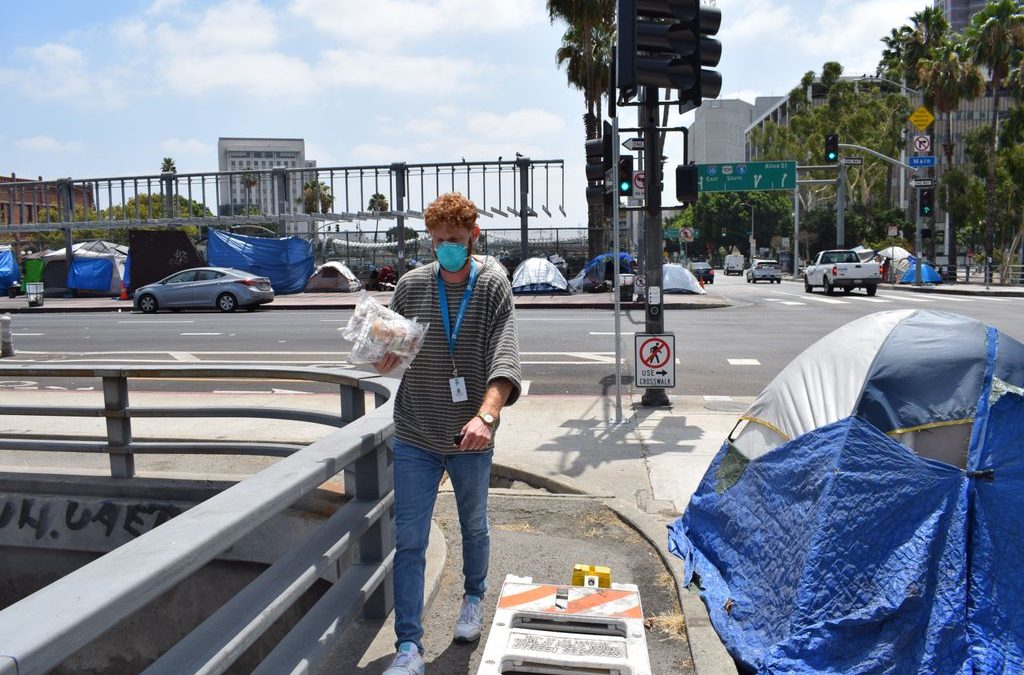
Los Angeles, CA. Homelessness, poverty, mental and physical illness, abuse, and addiction are on the rise in LA according to a nonprofit called The People Concern. Executive Director John Maceri discusses the difficulties of maintaining programs assisting unhoused individuals and domestic violence victims under COVID-19 public health guidelines.
The organization was founded in 2016 in a multi-faceted effort by two social services organizations to help victims of domestic violence and individuals facing homelessness.
“We’re an organization that is very diverse in terms of the services we provide,” Maceri said. Some services include money management programs, individual/group therapy sessions, and group outreach (seen above).
The Annenberg Access Center in Santa Monica is one location where there has been a sharp increase of participants since the quarantine in March. The Access Center is a place that provides a variety of services including free meals, shower/laundry access, and on-site medical care.
Maceri attributes the earlier shutdowns of public libraries, coffee shops, and other public amenities as a major cause for the increase of people going to the Access Center. “They’re places for people experiencing homelessness, people who live in the street, who had access to some of those amenities and don’t now,” Maceri explains. Other things like public computer access and charging phones are even more limited to unhoused individuals, bringing more attention to the Access Center. Director John Maceri spoke on MSNBC with Andrea Mitchell.
“Our goal really is to help scale and sustain the production of affordable housing,” Maceri said, “the way that we’re going to get beyond the crisis that we have on our streets is to build more housing to move people in.”
Interim and permanent housing under the new, stricter guidelines has also been a difficult issue The People Concern needed to adjust to.
“In our interim housing program, of course, to comply with the public health orders,” Maceri said, “we had to decompress the number of residents that we could have in many of those facilities.”
The People Concern’s Interim Housing Program provides daily basic living services and a place to stay for program participants transitioning out of homelessness. It also provides wellness activities, on-site medical care, and housing goal plans for each individual.
Participants are generally referred by other supporting nonprofits or outreach teams for the program. However, in order to lower the risk for current residents, The People Concern had to halt the arrivals of new referrals and new residents until it is safe to accept more in. The halting of new residents for programs has also affected areas with permanent housing projects and domestic violence shelters.
“One of the challenges of the pandemic is that it kept a lot of victims sheltering in place with their batterers,” Maceri said, “It’s also very hard for victims to leave; it’s harder for them to leave.” The Sojourn 24/7 Domestic Violence Hotline is still active today for victims who are looking for a way out of their situation regardless of the limitations of sheltering victims in crisis centers and other living facilities.
The People Concern believes no one should have to live on the street or in a violent household. Our staff, volunteers and those we serve work together to address the effects of homelessness, poverty, mental and physical illness, abuse and addiction. Our programs empower the most vulnerable among us to improve their quality of life – housed, healthy and safe – and become active participants in the community. We also work to educate the broader community and improve public policy.
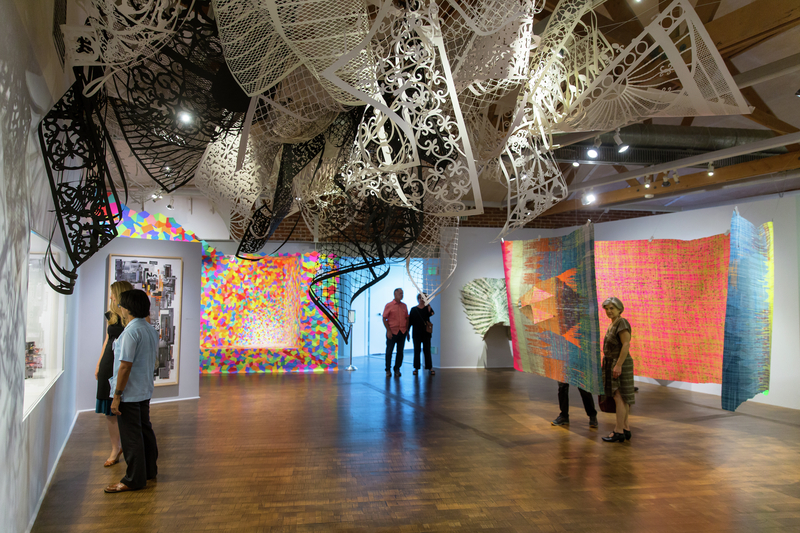
Los Angeles, CA. Four hundred artists and 80 arts organizations received $2.7 million in total grants as part of a broad-based COVID-19 relief effort for the visual arts in the Los Angeles region, the J. Paul Getty Trust and the California Community Foundation announced today. (Beneficiaries include the Craft Contemporary Museum seen above.) The emergency support was designed to reach individual artists throughout all areas of LA County and arts organizations that serve the region’s culturally diverse communities.
“The arts are a source of expression, resistance, and healing,” says Joan Weinstein, director of the Getty Foundation, an operating program of the Getty Trust, which initiated the $10 million LA Arts COVID-19 Relief and Recovery Fund to help small and midsize visual arts organizations. “But our creative artists and arts organizations, who do so much to advocate for social change, will not survive this pandemic and its economic fallout if we don’t take action now to support them.”
The economic impact of COVID-19 has been especially hard on small and midsize arts institutions. The pandemic also laid bare inequities in funding, particularly for organizations that serve communities of color. Smaller arts organizations tend to operate without any endowment funds or cash reserves. Yet they act as essential community anchors, supporting creative expression for artists of color, providing access to the arts for underserved groups, and offering arts education in schools and at their own sites. Even while their doors have been closed, many have worked hard to maintain their community bonds, hosting COVID-19 testing sites or food distribution centers on their premises.
After months of lost revenue, these organizations are struggling to maintain staff, provide safe galleries and workspaces that meet new health and safety standards, and still ensure meaningful arts participation for their communities when they reopen.
The Getty is the world’s largest cultural and philanthropic organization dedicated to the visual arts. The Getty includes the J. Paul Getty Museum, the Getty Research Institute (GRI), the Getty Conservation Institute (GCI), and the Getty Foundation. The Getty welcomes visitors from around the world to its two Los Angeles locations: the Getty Center in Brentwood and the Getty Villa in Pacific Palisades.
The more than $2 million in emergency relief grants awarded to 80 visual arts nonprofits and museums provides support to meet urgent financial needs over the next three months, including staff salaries, rent, and emergency supplies to comply with public health measures. This basic operating support will also allow organizations some leeway to plan for reopening, restructuring, and collaboration. Innovation will be critical if these institutions want to continue their work.
“We’re going to have to become semi-experts in how to manage spaces and arts experiences through a public health lens,” says Betty Avila, executive director of the arts nonprofit Self Help Graphics & Art, which received an emergency grant.
Self Help has worked at the intersection of arts and social justice since 1973, serving its community in East Los Angeles by promoting local Chicana/o and Latinx artists. But Avila recognizes they won’t endure if they don’t adapt, and the COVID relief grant will start them on that path. “We cannot return to our work with a ‘back to business as usual’ perspective.” In the meantime, the emergency grant will help them cover operational expenses, including support for Self Help Graphics’ teaching artists.
The threats facing arts institutions extend to visual artists. Thousands saw their income evaporate as the museums and non-profit spaces that exhibit their work shuttered. Many also depend on part-time work as teaching artists or preparators who set up and take down exhibitions. Countless artists also survive on work in the gig economy. With high unemployment across the region, they are straining to find alternative sources of income.
The California Community Foundation and Getty responded by creating the Relief Fund for L.A. County Visual Artists. The Fund has provided emergency grants of up to $2000 each to 400 local artists who work in all visual arts disciplines. Artists who applied for grants were asked to demonstrate their artistic practice through an online presentation of their work and to describe their financial needs. Additional contributions came from a trio of local artist-endowed foundations: the Mike Kelley Foundation for the Arts, the Sam Francis Foundation, and the Shepard and Amanda Fairey Foundation. The artist relief fund is administered by the Center for Cultural Innovation.
“This crisis is a wake-up call to all Angelenos to support the organizations that provide access to the arts and the artists that inspire us to be resilient,” says Antonia Hernández, president and CEO of the California Community Foundation, which is administering the LA Arts COVID-19 Fund. “The emergency grants will reach a wide array of arts nonprofits and dedicated artists, but more help is needed. The demand for funds was far greater than the supply. We welcome others to join us in this effort to ensure the arts continue contributing to the cultural vitality and wellness of our region for the benefit of all residents.”
For over 30 years, Getty and CCF have been longtime collaborators in the arts, supporting one of the most prestigious fellowships for visual artists in the country, the biennial Fellowships for Visual Artists. The Fellowship, led by CCF, was created by an earlier endowment from the Getty and has grown with subsequent donations from CCF and individual donors. The LA Arts COVID-19 Relief and Recovery Fund was a natural extension of that partnership. The next phase of their work together will focus on recovery grants to help key museums and visuals arts organizations reimagine their operations in order to survive and thrive in the coming years. More information on recovery funds will be available before this fall.
Getty is a leading global arts organization committed to the exhibition, conservation, and understanding of the world’s artistic and cultural heritage. Working collaboratively with partners around the globe, the Getty Foundation, Getty Conservation Institute, Getty Museum and Getty Research Institute are all dedicated to the greater understanding of the relationships between the world’s many cultures. The Los Angeles-based J. Paul Getty Trust and Getty programs share art, knowledge, and resources online at Getty.edu and welcome the public for free at the Getty Center and the Getty Villa.
The Getty Foundation fulfills the philanthropic mission of the Getty Trust by supporting individuals and institutions committed to advancing the greater understanding and preservation of the visual arts in Los Angeles and throughout the world. Through strategic grant initiatives, the Foundation strengthens art history as a global discipline, promotes the interdisciplinary practice of conservation, increases access to museum and archival collections, and develops current and future leaders in the visual arts. It carries out its work in collaboration with the other Getty Programs to ensure that they individually and collectively achieve maximum effect. Additional information is available at www.getty.edu/foundation.
About The California Community Foundation
The California Community Foundation has served as a public, charitable organization for Los Angeles County since 1915, its mission is to lead positive systemic change that strengthens Los Angeles communities. CCF manages 1,700 charitable foundations, funds and legacies. For more information, please visit calfund.org.
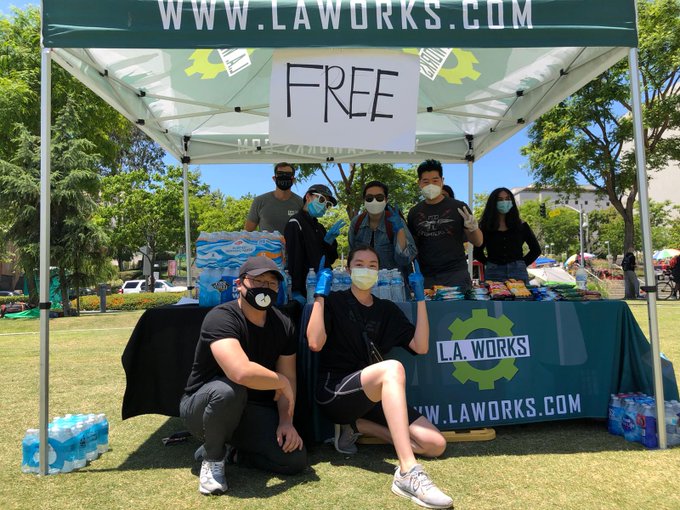
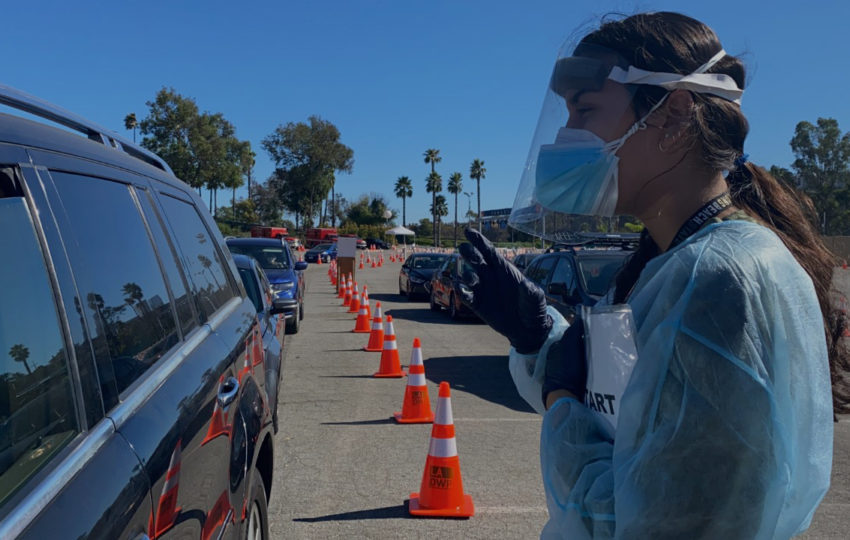
Los Angeles, CA. Social distancing requirements due to the Covid-19 pandemic are making it difficult for volunteers to do their typical hands-on work. Now an organization called L.A. Works is helping both nonprofits and volunteers find ways to help the community. Through a program called “Make Room For Caring in Social Distancing,” L.A. Works shares five ways volunteers can make an impact. Those options include the following: volunteer at a COVID-19 testing site, volunteer for in-person hunger relief, volunteer from home, join the Red Cross, or make a donation. For those who are healthy and able to do so, important programs such as COVID-19 testing and hunger relief are desperate for hands-on volunteer workers.
Volunteer working at COVID-19 drive-thru testing site
For those who would prefer to volunteer from home, L.A. Works offers hundreds of engaging virtual volunteering opportunities such as doing a Zoomba class with special needs youth, virtual tutoring with underprivileged children, and fitness class fundraisers. L.A. Works has also started the #MillionMaskChallengeLA which is a volunteer project challenging Los Angeles residents to sew as many masks as they can and donate them to those in need. Program administrators write, “At L.A. Works, we are proud to see our community at its best, working together while staying apart. We know, now more than ever, we are in this together and we must respond together.”
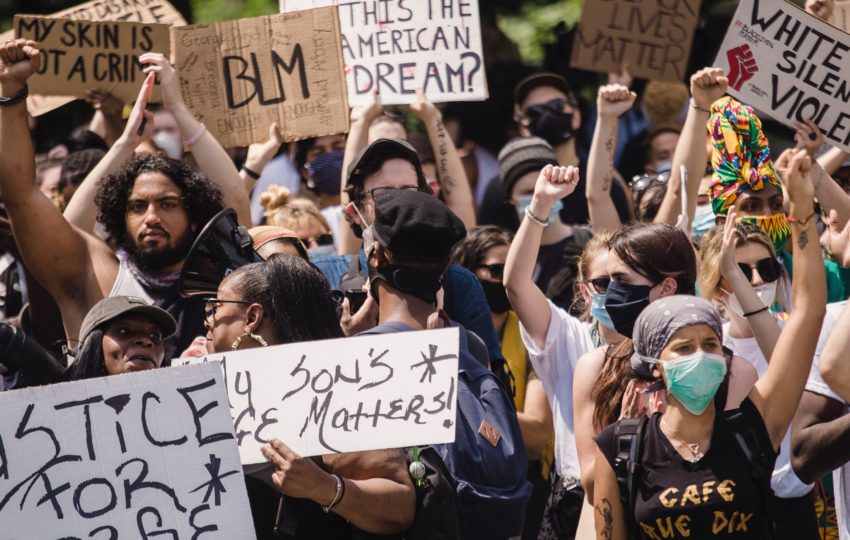
BLM protesters participate in June protest
In addition to promoting safe volunteering options, L.A. Works also dedicates part of its volunteer efforts toward the Black Lives Matter movement. L.A. Works makes it easy for volunteers to become involved in the movement, whether this means becoming educated on systemic racism or volunteering to help close the education gap. This goal is stated on the nonprofit’s website: “Creating volunteer programs and experiences infused with discussions, learning, and advocacy to advance social change is at the very core of our mission.” To achieve this goal L.A. works offers volunteers the opportunity to join an advocacy program on racial justice, volunteer to tutor disadvantaged children, and feed the homeless.
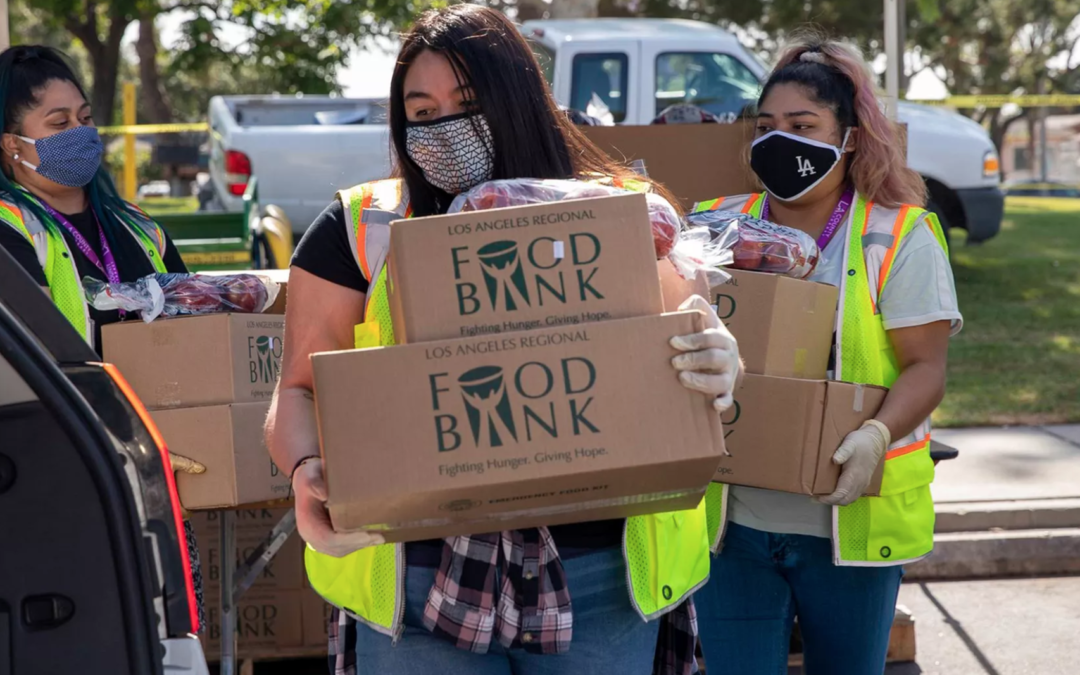
Los Angeles, CA. The Healthy LA Coalition was established by a number of nonprofit organizations looking for solutions to the hardships caused by COVID-19 in the LA County area. (Above photo is of volunteers at Maywood YMCA for LA Regional Food Bank).
“We actually came together for the first time on the evening of March 12th,” said David Levitus, one of the original co-organizers of Healthy LA, “I ended up putting together the Healthy LA website for two hours on Saturday on the 14th, got it published, put up a Google form to collect signatures, and it just snowballed from there.”
It started with twenty-five people on a conference call discussing how they can help with pushing legislation that will help the community affected by the pandemic. After the creation of the official website, Healthy LA would quickly grow from a network of twenty-five in March to 335 by the end of the summer. While the majority of organizations that were added to the website were nonprofits, thirty-five religious congregations/denominations and twenty-eight regular businesses had also joined the coalition via application through Levitus’s Google form.
The rapid growth of the Healthy LA Coalition over the course of a few months allowed the network of organizations to develop thirty different legislative proposals to the board of supervisors for LA County.
“We just knew that the crisis was so big that even on the economic side, we needed nothing less than really bold proposals,” Levitus stated.
Twenty of the thirty proposals Healthy LA presented to the LA City Council and County Supervisors were enacted through immense lobbying efforts and communicating to the general public about the proposed legislation. The proposals covered a wide array of protection for the community including the unhoused, undocumented, and incarcerated individuals in the county.
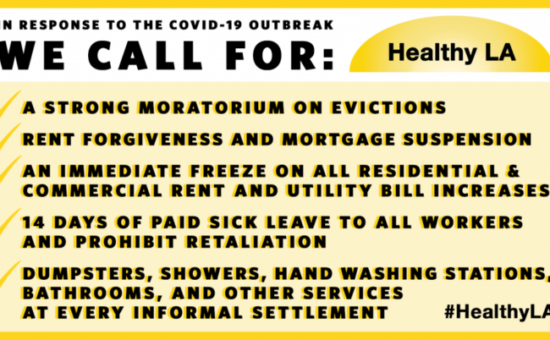
Levitus considered their collective effort to increase worker protection was one of the most significant victories for Healthy LA as it guaranteed fourteen days of sick leave for an additional 440,000 LA workers. These city and county workers were not originally eligible for the federal paid sick leave policy as they worked in firms with over five hundred employees.
The initial website banner for Healthy LA and its main proposals which have nearly all been passed by the LA City Council and Board of Supervisors.
One of the proposals that have proved to be more challenging to pass on both a county and state level is a robust moratorium for foreclosures and evictions. There are currently protections for tenants who are unable to pay for their rent that has recently been extended to March 2021; however, if tenants are unable to pay the minimum 25% of their regular rent in the coming months, they can be evicted as early as February 1. Considering that the moratorium could have been extended as far as 2024, Healthy LA continues to advocate for tenants who face eviction in the next year.
Levitus believes there is still a lot of work to be done to help those who need it most and that drastic social reform as seen after the Civil War and the Civil Rights Movement would make a positive difference to Los Angeles and beyond.
“We need a third reconstruction,” Levitus said in consideration to the coalition’s goals beyond COVID-19, “to transform our society that is racially and economically just, and I think we all share that perspective at Healthy LA so that’s really the long-term vision.”
From Healthy LA Coalition:
We are a network of more than 330 advocacy organizations, worker centers, labor unions, service providers, religious congregations, community groups, affordable housing developers, public interest lawyers, public health and safety organizations, and many more uniting to propose concrete solutions to the many hardships caused by the COVID-19 pandemic.
Los Angeles, CA. Griffith Park hiking trails are open, including Observatory grounds, as are most park roads and parking. Face coverings are required. However, Griffith Observatory is currently closed to the public as a result of the COVID-19 pandemic. Educators are doing their best to keep the public connected by offering several online exhibits and activities through its website. One of these programs is called All Space Considered. It’s a live, free program, broadcasted on the first Friday of every month over Griffith Observatory TV. The next will be November 2nd.
During this program, Observatory staff members educate viewers on the most talked about topics of space, including special celestial events and Apollo anniversaries.
Dr. Laura Danly, an Astronomer who serves as Curator to Griffith Observatory, said about their most popular programs, “We had over a million views. NASA used our feed for years before they finally did their own setup! I have been very proud of what we built with very few resources.”
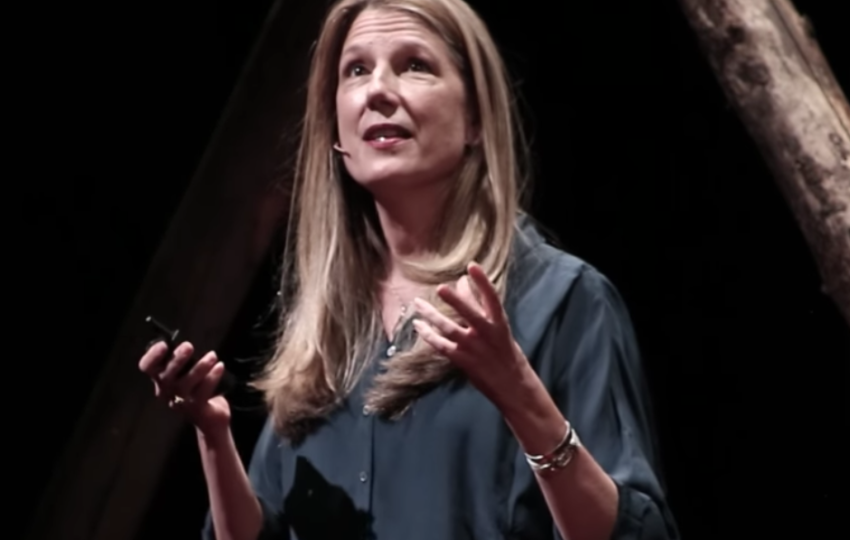
Dr. Laura Danly, an Astronomer who serves as Curator to Griffith Observatory, (photo is from a TEDx Talk, Sep 26th, 2017.)
Danly has plans to retire from Griffith on December 5th and is unsure if she will be able to do another show beforehand. In addition to All Space Considered, Danly has created many other virtual features such as processing your own Juno images, a community photo gallery, detailed sky reports, and more. Before her departure, Danly plans to add the option to process your own Hubble images as well.
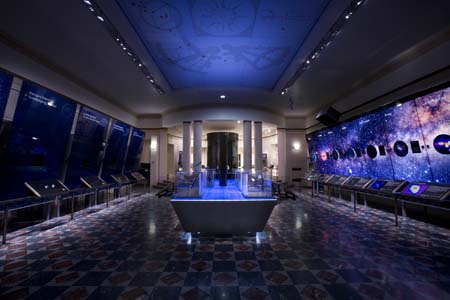
Griffith Observatory is a public observatory owned and operated by the City of Los Angeles Department of Recreation and Parks. While open and running, Griffith is one of the most popular informal education facilities in the U.S. and the most-visited public observatory in the world welcoming around 1.5 million visitors a year. The observatory is the living dream of a man named Griffith J. Griffith who donated the land for the park in 1896 and specified his vision for the park in his will. The observatory is home to several exhibits including public telescopes, an interactive and complete hall of the sky, and even a planetarium. Griffith J. Griffith believed “that if all mankind could look through [a] telescope it would change the world!”.
Griffith Hall of The Sky exhibit Photography by Justin Donais
Griffith Observatory inspires everyone to observe, ponder, and understand the sky. Griffith Observatory is an icon of Los Angeles, a national leader in public astronomy, a beloved civic gathering place, and one of southern California’s most popular attractions. The Observatory is located on the southern slope of Mount Hollywood in Griffith Park, just above the Los Feliz neighborhood. It is 1,134 feet above sea level and is visible from many parts of the Los Angeles basin. The Observatory is the best vantage point for observing the world-famous Hollywood Sign.
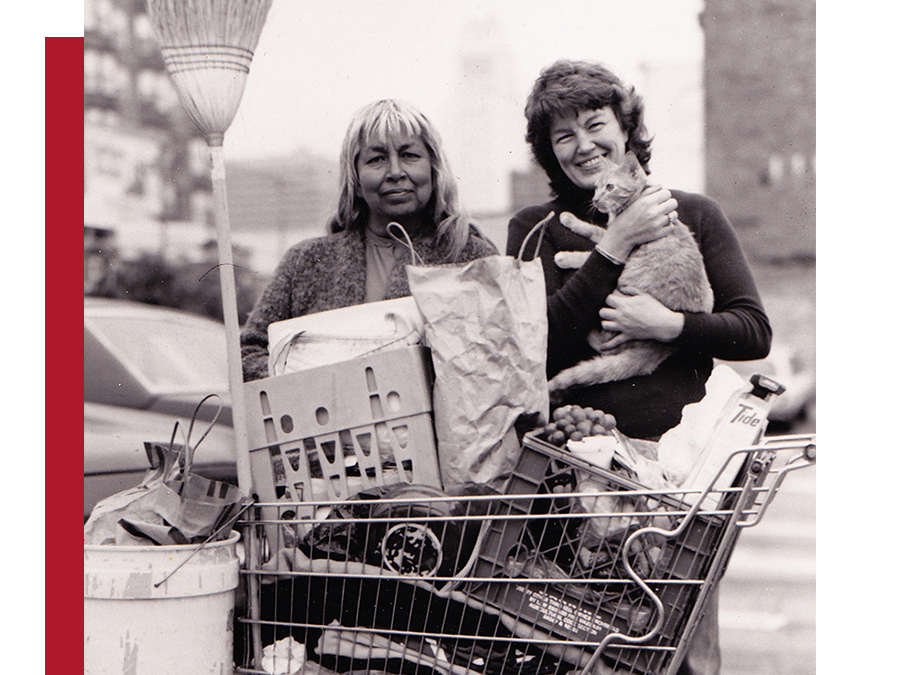
Los Angeles, CA. Over the last forty years, The Downtown Women’s Center (DWC) has helped nearly 110,000 disadvantaged women with meals and housing. DWC was launched in 1978 because of the friendship between two women; Jill Halverson (pictured on the right above) created the nonprofit to help an inspiring homeless woman, and friend named Rosa (pictured above on the left). During the four decades that followed, DWC has grown into a nonprofit providing many vital services to disadvantaged women. DWC is the only organization in Los Angeles focused exclusively on serving and empowering women experiencing homelessness and formerly homeless women.
DWC representative Anita Vukovic says it’s hard to keep up with all the need, especially during a pandemic. “A lot of DWC work had to change due to consideration of social distancing measures, our community is especially vulnerable to COVID-19 due to underlying health conditions that many women experience. Our community is usually 55 years old and older,” Vukovic explained. DWC is able to provide more than 800 meals a day and offer on-site services in its parking lot, which enables social distancing. “Our health clinic also continues to operate Tuesday to Friday.”
Today, DWC manages 119 units of permanent housing across greater Los Angeles (like the apartment seen above) and has grown to serve more than 5,400 women annually.
DWC was recently selected as one of the 2020 California Nonprofit of the Year by California Senator Holly Mitchell of the 30th Senate District. DWC is one of over a hundred other nonprofits that will be honored by their state senators and assembly members for their contributions. State leaders want to honor DWC staff and volunteers, because they provide women with access to basic needs and resources, housing assistance, trauma-informed case management, mental and physical healthcare, job readiness and workforce development, and advocacy training and resources. “As our services expand to meet the community’s growing needs under COVID-19, we are deeply humbled to be recognized as a 2020 Nonprofit of the Year,” said DWC Chief Executive Officer Amy Turk. “DWC’s decades-long relationship with Senator Mitchell has always been a special one, and we are thrilled to continue working with her to bring greater visibility and resources to women experiencing homelessness in Los Angeles and across California.”
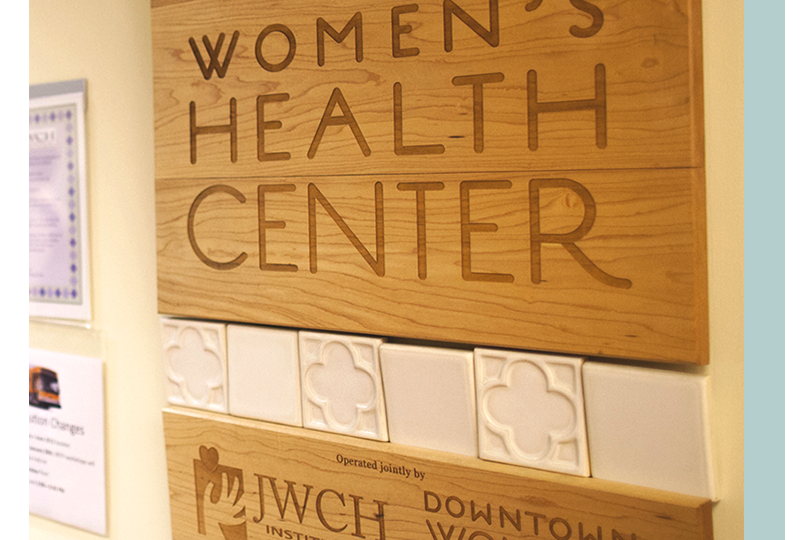
Women’s Health Center Clinic, DWC.
The Covid-19 pandemic has also made it difficult for DWC to use outside helpers.
“Volunteers have been the heart of our community in everything we do and how we are able to serve women,” says, Vukovic. DWC is still looking for opportunities to get their volunteers together. In September DWC had a three-week virtual campaign. “We saw a lot of positive feedback and engagement with that, people were really excited to be able to engage. We are looking into actually continue with that into the future.”
From Women’s Health Center:
How can you be informed on Housing First and Trauma-Informed:
Access to basic needs and resources through our Day Center, where women can receive three daily meals and access to showers, restrooms, mail, laundry, and telephones.
On-site housing and supportive services, with our 119 units of permanent housing across two residences making us one of the largest housing providers for women in the country.
Community-based housing services, provided in partnership with the Los Angeles County Department of Health Services, the Los Angeles Homeless Services Authority (LAHSA), the Governor’s Office of Emergency Services, and various private foundations and corporations.
Health and wellness services, including individual and group counseling, medical care, mental health services, preventive screenings, Trauma Recovery Center services, and enrichment activities.
Job readiness and employment training, as well as job placement services and transitional jobs at MADE by DWC, in partnership with LA:RISE.
Advocacy training, to empower women to become successful advocates for themselves and others by participating in press interviews, public policy meetings, lobby visits with legislators, fundraising events, press conferences, and more.
Public education and volunteering, with a volunteer program that engages over 5,000 individuals annually.
We envision a Los Angeles with every woman housed and on a path to personal stability. Our mission is to end homelessness for women in greater Los Angeles through housing, wellness, and advocacy.
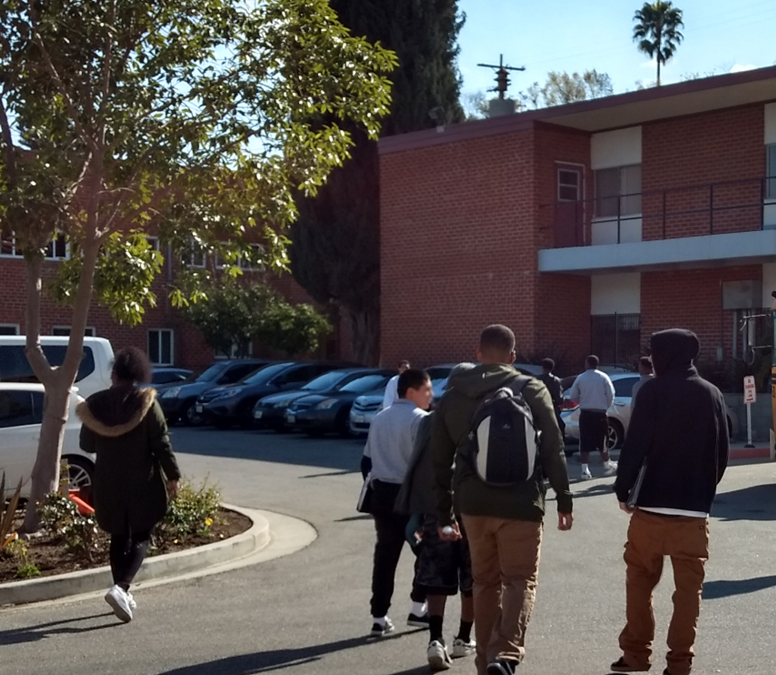
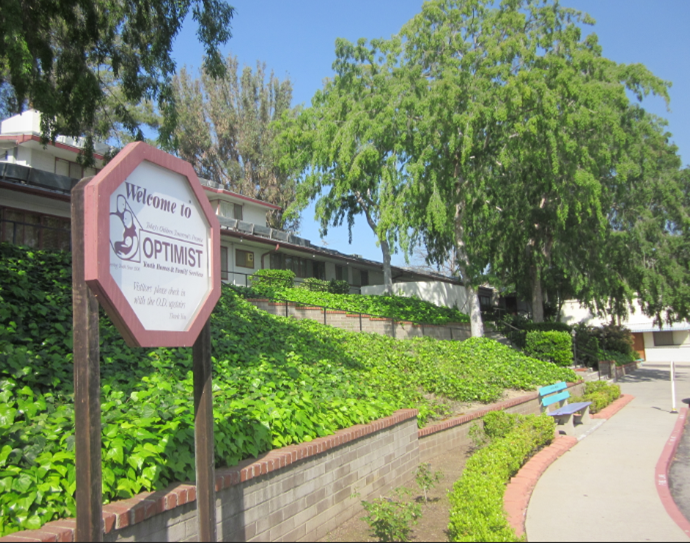
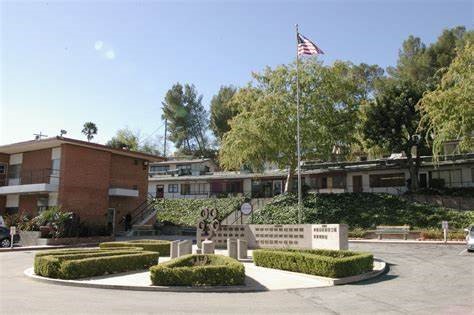
Los Angeles, CA. “It has been a difficult time, to say the least,” says Silvio Orlando, CEO of Optimist Youth Homes & Family Services. During the beginning of the pandemic, purchasing personal protective equipment was no easy feat. Still, resident students have been able to stay on campus while taking classes remotely. Prior to the pandemic, they’d walk from class to class, as seen above. Online learning is one of the many challenges faced by the organization. However, Optimist Youth Homes & Family Services remains devoted to the mental, educational, and physical wellbeing of all the foster children, young adults, and families they serve.
Welcome to Optimist Youth Homes & Family Services
Covid-19 continues to impact the lives of millions of American schoolchildren, including the at-risk and foster youth at Optimist Youth Homes & Family Services.
Optimist Youth Home & Family Services is still serving the community for many years.
In June of 2020, Optimist Youth Homes & Family Services was forced into lockdown when several students and staff members became infected. “The virus not brought in by a student but a staff member,” says Silvio. Continuously educating the staff on Covid-19 and how to prevent the spread remains a top priority. Since the outbreak staff have become more compliant. Working with the Public Health Department and County to ensure the health and safety of students and staff has been a tremendous success. The Public Health Department stated Optimist Youth Homes & Family Services was “doing great.” There have been no outbreaks since.
Foundation grants have been made more readily available and leniency has been given during this time. While cash donations have not seen an increase, non-cash donations have. The non-cash supplies have included face masks and hand sanitizers.
Optimist Youth Homes & Family Services have a lot of committed mentors and volunteers who work with and for the students. Unfortunately, “volunteers would like to be involved at this time,” says Silvio but due to the safety measures put in place for the children and staff, no volunteers have been allowed.
“We are coping, and our spirits continue to stay high,” as the holiday season is around the corner and major events such as the Mentor Award Gala maybe postponed or canceled. “Major events that raise money are no more,” says Silvio. The decline in monetary donations has sparked the robust creativity by Annie Nuttall, Chief Advancement and Communications Officer and staff leading to new opportunities such as drive-in events, and this year’s Holiday Wish List.
Optimist Youth Homes & Family Services continues to combat the stigmas surrounding mental health. Highly trained therapists provide a variety of integral therapeutic services tailoring to each person’s needs. Offering a wide variety of residential and community therapy programs. These programs are essential to the development and well-being of the children, young adults, and families they serve. Outpatient therapists have been a vital resource during the pandemic. Therapy sessions over zoom have worked exceedingly well. Virtual therapy sessions are safer and some clients find the alternative more enjoyable. Optimist Youth Homes & Family Services is working to keep the virtual services and outreach on mental wellness, well into the future even after the pandemic.
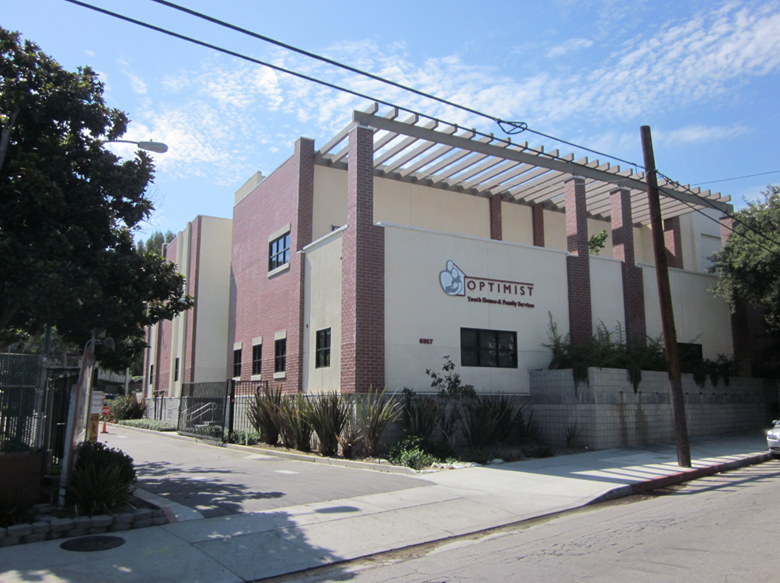
Optimist Youth Homes & Family Services campus building.
From Optimist Youth Homes & Family Services:
With your help, Optimist Youth Homes & Family Services can continue to provide, care for and transform the lives of the at-risk foster youth, children, young adults, and the families in the community they serve.
OUR MISSION Our mission is to provide innovative and individualized treatment, education, and support services to children, young adults and families to better their lives.
OUR VISION Optimist envisions a world where all children, young adults, and families will have the opportunity to receive the care and support they need to succeed.
Los Angeles, CA. The Los Angeles Humanitarian Initiative (LAHI) is a fairly new non-profit that was founded in response to COVID-19 in hopes of providing relief to at-risk populations in Los Angeles. Since COVID-19 started LAHI has worked hard to distribute resources to LA’s homeless population and Personal Protective Equipment (PPE) to frontline workers. “In some way, I’d like to think of LAHI as a product of my upbringing; my parents are the most loving and caring people I know and have inspired me to love and care for my community the same way they always have, especially during hard times like these,” says President and Founder Sandro Samaha.
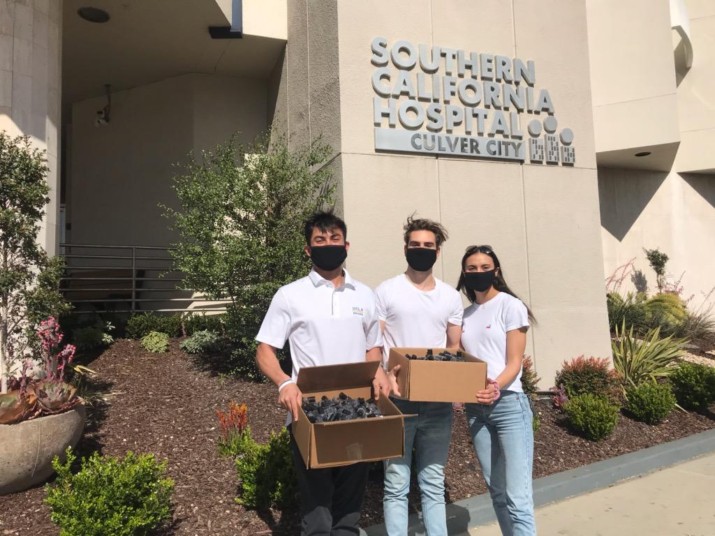
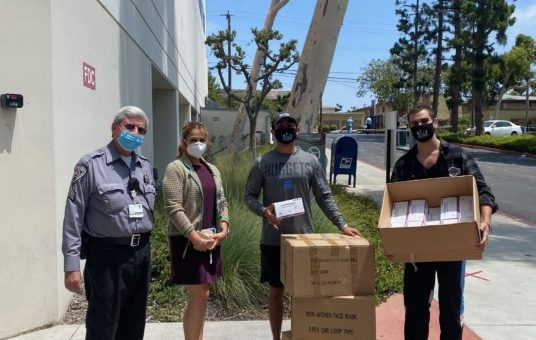
LAHI has two main operations; Community Outreach and Healthcare. By partnering with homeless shelters and free clinics in Los Angeles, LAHI successfully caters to the needs of both of these sectors. Pictured below is the work of their Healthcare sector volunteers donating medical supplies to a local hospital.
LAHI volunteers donate 7,000 surgical masks to Centinela Hospital
Vice President Dana Aboukahlil explained, “Though LAHI began as an initiative to provide relief to those who have been most affected by the pandemic, we have since widened our mission. Since our foundation, we have not only provided PPE all across Los Angeles county, but we have also raised funds for further matters important to our members, such as the Beirut explosion, the Black Lives Matter Movement, and most recently the conflict in Armenia.”
On October 18th, LAHI partnered with the owner of Mindful Bodies Fitness to host a virtual fundraiser. The fundraiser was a workout class held over Zoom. Speaking on behalf of LAHI, Operations Director Kian Heiat shares, “We are extremely excited about this partnership and happy to provide the public with a way to give back to the community in a fun and healthy manner!”. All proceeds will be donated to Venice Family Clinic and Hollywood Sunset Free Clinic which are local free clinics that offer comprehensive medical services to those who may otherwise go without them. Heiat says that LAHI will also be hosting a virtual yoga class the following Sunday for those who cannot attend and would still like to donate and participate.
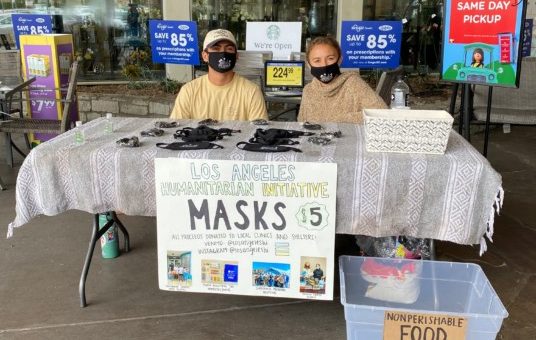
LAHI volunteers selling custom face masks and collecting non-perishable food donations outside of local Ralph’s
Another way LAHI raises money aside from fundraising and collecting donations is by selling custom LAHI face masks that can be purchased during a pop-up sale or through their website. All the money raised from these sales goes directly to local clinics, shelters, and hospitals.
“Being in LAHI has been extremely gratifying. Through this experience, I have become more familiar with the issues that are relevant to today’s society and have opened my eyes to the importance and power of helping others,” Aboukahlil reflects. LAHI is hoping to reach their goal of $60,000 in donations raised after this Sunday.
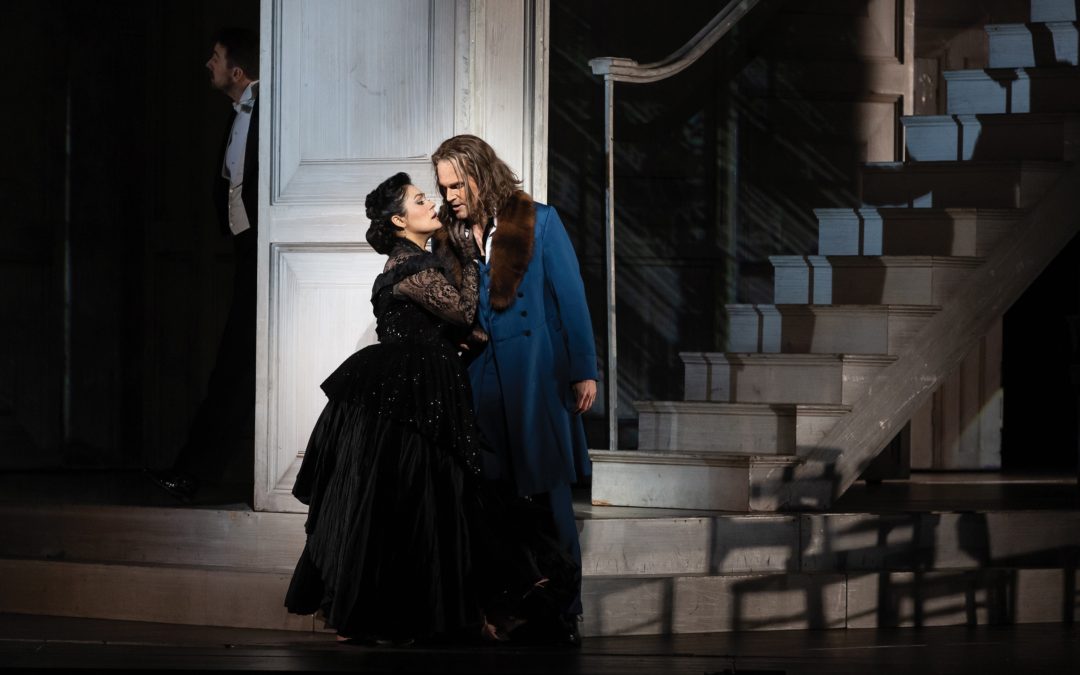
Los Angeles, CA. The LA Opera awaits its cue to return to live performances on stage. Mozart’s Don Giovanni (seen above) is scheduled for January 30th, 2021.
Here’s some information about the show: Superstar bass Ildebrando D’Arcangelo returns as opera’s most notorious playboy in a visually spectacular production that pulls you into the characters’ inner thoughts and shifting emotions. And with James Conlon conducting this Mozart masterpiece and a new production featuring scenery by Es Devlin (star designer of concerts for U2, Kanye West, and Beyoncé).
Mozart’s Don Giovanni is scheduled for January 30th, 2021.
Meanwhile, the LA Opera company has turned to create an array of online content through the LA Opera At Home initiative, which will soon expand to include a series of exciting new Digital Shorts commissions as well as a November 14 stream of The Anonymous Loverby Joseph Bologne, the first known Black classical composer. Since the launch of LA Opera At Home in March, these popular online offerings have accumulated more than 740,000 views to date.
LA Opera is a non-profit organization dedicated to serving the greater Los Angeles community. LA Opera’s young artist program is generously underwritten by the Colburn Foundation, Eugene and Marilyn Stein, and Richard and Lenore Wayne. Tickets available now or as part of a Spring 2021 subscription package.
To access all of these programs and to learn more about current and future programming, please visit LAOpera.org/AtHome.
To access all of these programs and to learn more about current and future programming, please visit LAOpera.org
About LA Opera At Home:
LA Opera was the first major American opera company to create a weekly schedule of original new online programming to bring opera to audiences during the coronavirus crisis. LA Opera At Home launched on March 17 with the first in a series of live “Living Room Recitals” featuring artists performing in their homes. Other programming highlights include: “Opera Family Time” presentations created specially for families with children to enjoy together; “Learn at Home (Grown-Up Edition)” opportunities for opera lovers of any experience level to dive deeper into the art form; “From the Vault” streams of earlier performances; and “Backstage at LAO” features that take viewers behind the scenes for a look at what it takes to create world-class opera.
About LA Opera
Los Angeles is a city of enormous diversity and creativity, and LA Opera is dedicated to reflecting that vibrancy by redefining what opera can be with thrilling performances, thought-provoking productions and innovative programming. The communal and curative power of opera is needed now more than ever before, especially given the extraordinary challenges of the time. The company is grateful to its supporters for helping to ensure that it has the resources needed to get through this unprecedented period through the LA Opera Relief Fund. Those wanting to support LA Opera can go to LAOpera.org/donate.
Los Angeles, CA. Saffyre Sanctuary is a horse rescue and rehabilitation program which cares for horses that have been abandoned, abused, or neglected. Today it’s facing challenges on every front. Volunteers and donations have declined, but the cost of operating Saffyre Sanctuary remains the same. It’s one of the many organizations that the COVID-19 pandemic has hit hard. Esta Bernstein Founder and C.E.O of Saffyre Sanctuary, explains, “It has been very challenging. Our donations have decreased by approximately 75% and with the quarantine restrictions set in place we have not been able to bring in volunteers we need.” The sanctuary saw a dramatic decline in weekly volunteers from 12 down to approximately 2-3 volunteers a week.
Esta Bernstein continues to work to keep the doors of the sanctuary open during the global pandemic. Saffyre Sanctuary was recently granted a U.S Small Business Loan, offered to nonprofits for sustainability purposes during the pandemic. The organization’s outdoor facility has provided Saffyre Sanctuary with an opportunity to partner with the City of Los Angeles Departments Rehabilitation Program. “The City of Los Angeles partners with another organization that pays students who recently graduated minimum wage to volunteer at the sanctuary.” This is a great volunteer opportunity for both the recent graduates to gain valuable work experience and the organization to continue operations.
Further positive developments that have emerged during the pandemic include increasing sanctuary locations. Esta Bernstein is in discussions with property owners looking to help the organization expand their mission by providing remote satellite locations for the rescued horses. She is hoping to have negotiations finalized this year. Expansion comes at a cost, the average monthly expense for one horse not excluding veterinary, chiropractic, supplements and dietary feed is $850.00 a month. Saffyre Sanctuary offers a Virtual Forster Care Program that allows individuals to sponsor a horse rescue. “Taking in horses won’t do any good if they don’t have money to feed them. We must develop a new foothold in the community,” said Esta Bernstein.
Foster Care Program: Lakota (which means friend) is a 15 year old Thoroughbred Gelding. Blind in one eye, he has been living at Saffyre Sanctuary since July 15th, 2012. Photo by Esta Bernstein.
Horse rehabilitation and healing of the soul is what the founder of Saffyre Sanctuary, Esta Bernstein is all about. One of the programs that Saffye Sanctuary offers is Equalia Actualization program. This program builds the bridge between the people in the community and the rescued horses. This experience allows for people of all ages including the physically impaired, to heal spiritually and emotionally along with the horses who to have experienced trauma.
Saffyre Sanctuary continues to rehabilitate mentally and physically abused horses with the help of committed staff, donors and volunteers during the pandemic. Esta continues to look forward to a brighter future for the health and wellness of the rescued horses and community members. “When you ask for nothing you receive everything, says Esta Bernstein Founder and C.E.O.
From Saffyre Sanctuary:
Saffyre Sanctuary, located in Los Angeles, California, is a horse rescue and rehabilitation program that cares for horses that have been abandoned, abused, or neglected. By allowing them to rediscover their true nature, we provide every opportunity for them to experience the possibility of enjoying a second career, or offer them a well-deserved retirement due to soundness issues, age, or owner hardships. Saffyre Sanctuary Mission: To rescue and rehabilitate horses and heal the world we share!
For more information on the organization please visit:
NONPROFIT BENEFIT TICKET GIVEAWAYS!
Sign up for our free weekly highlights for the chance to win two tickets terrific nonprofit events! If you “like” us on facebook, or sign up for our weekly news highlights, you’ll be entered to win! Sign up today!
Look for another ticket giveaway soon! Are you a nonprofit looking to bolster your publicity with facebook and tweets? Email us and we’ll run a contest with tickets to your event! info@societypage.net